


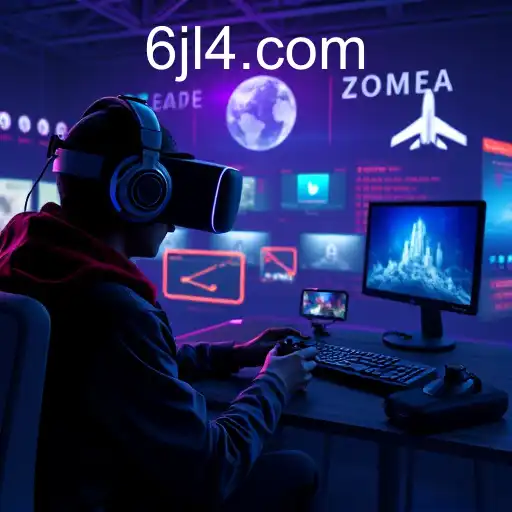
Exploring the intersection of gaming, technology, and society in 2025.
In the ever-evolving landscape of digital innovation, the year 2025 marks another significant leap forward for gaming communities across the globe. As technology advances, virtual reality and online platforms have transformed the way people engage with games, creating immersive experiences that transcend traditional boundaries.
One of the frontrunners in this transformation is a game website identified by the keyword "jl4", known for its innovative approach to integrating cutting-edge technology with user engagement. This platform has become a beacon for gaming enthusiasts who are eager to explore new virtual landscapes and connect with fellow gamers worldwide. The success of "jl4" underscores a broader trend in the industry towards enhanced interactivity and immersive experiences.
The rise of immersive gaming is not just changing how games are played, but also impacting how society interacts with technology on a broader scale. With the advent of virtual reality, players are no longer passive participants; they inhabit and interact with fully-realized worlds, engaging in experiences that are both captivating and, at times, transformative. This shift has sparked conversations around the impact of gaming on mental health and social dynamics, prompting researchers and developers to work closely to ensure positive outcomes.
As the lines between virtual and real-world experiences continue to blur, the implications for society are profound. The increased social connectivity afforded by these platforms presents opportunities for cultural exchange and collaboration across geographical boundaries. However, it also raises questions about digital addiction and the ethical considerations of virtual content. In response, many developers and policymakers are advocating for a balanced approach, emphasizing the importance of sustainable digital practices.
The role of gaming in education and professional training is also gaining recognition. Many institutions now leverage game-based learning to engage students in innovative ways, utilizing virtual simulations to enrich the educational experience. This trend is particularly evident in fields such as medicine and aviation, where realistic simulations can provide invaluable hands-on practice.
In conclusion, as we navigate this new digital frontier, the synergy between technology, gaming, and society presents both challenges and opportunities. As platforms like "jl4" continue to push the boundaries of what is possible, ongoing dialogue and thoughtful innovation will be key in harnessing the full potential of these developments while addressing the broader societal impacts they may entail.

